Argon occupies a deceptively quiet role in semiconductor manufacturing. It produces no end product, generates no revenue on its own, and rarely appears in factory performance dashboards. Yet without a stable, high-purity argon supply, silicon crystal growth halts, wafer processing environments fail to meet specification, and production lines face unplanned downtime. For fab operators managing tightly scheduled production cycles, argon is not a commodity input — it is a process-critical utility. Choosing a Reliable Argon Recovery System Provider therefore carries consequences that extend well beyond gas procurement. It shapes production continuity, yield stability, and long-term cost structure simultaneously. Semiconductor fabs that treat this decision as a capital equipment purchase rather than a supplier transaction tend to make better long-term choices. The following three reasons explain why that distinction matters.

Reason 1 — On-Site Recovery Converts Supply Chain Vulnerability Into Operational Control
Most semiconductor fabs source argon through merchant supply — liquid argon delivered by tanker from an industrial gas producer. This arrangement works reasonably well under stable market conditions. However, it creates a structural dependency on external logistics, regional pricing dynamics, and cryogenic transport reliability. Any disruption in the supply chain — from port congestion to transportation delays to sudden demand surges in adjacent industries — translates directly into production risk.
On-site argon recovery addresses this dependency at its root. Rather than continuously purchasing virgin liquid argon, a recovery system captures the argon-rich tail gas that exits silicon ingot pulling furnaces, purifies it to specification, and reintegrates it into the production process. The fab effectively generates a significant portion of its own argon supply from gas it would otherwise vent or discard.
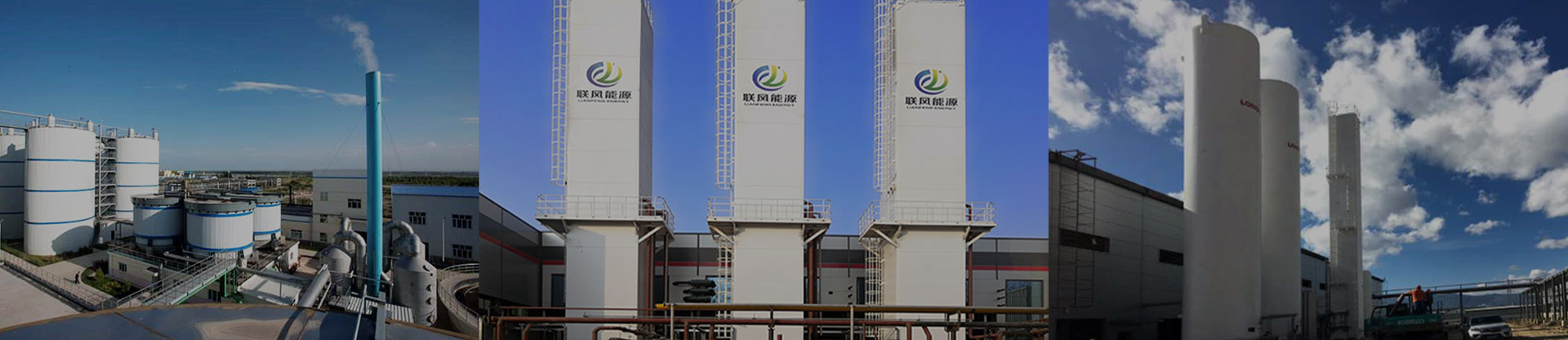
Shanghai LifenGas Co., Ltd. (LifenGas) has delivered this capability across more than 70 projects, with system processing capacities ranging from 100 to 16,600 cubic meters per hour. This range reflects the diversity of semiconductor and photovoltaic operations the company serves — from small to mid-scale wafer producers to large integrated manufacturing sites. When a fab installs a recovery system with that processing depth, argon supply stops functioning as an external variable and starts operating as a managed internal asset. Supply chain disruptions still occur in the broader market, but their impact on production stays contained.
Reason 2 — Purity Consistency Directly Protects Fab Yield Rates
Semiconductor manufacturing tolerates very little variation. Ion implantation, chemical vapor deposition, and crystal growth processes all depend on atmospheric conditions held within narrow tolerances. Argon purity directly affects those conditions. Contamination from nitrogen, oxygen, or moisture in the process gas can introduce defects at the wafer level that only become visible at final inspection — after significant value has already accumulated in the affected material.
Merchant argon delivery introduces purity variability that on-site recovery, properly engineered, largely eliminates. A well-designed recovery system applies multi-stage purification: dust removal, carbon removal, oxygen removal, moisture removal , and final cryogenic distillation for nitrogen separation. Each stage targets specific contaminant categories. The result is purified gas that meets consistent specifications batch after batch.
LifenGas launched its fourth-generation argon recovery system in 2021, incorporating advances in each purification stage developed over nearly a decade of project deployment. Since its first major argon recovery project in 2017, the company has refined its process technology across dozens of real-world industrial installations. That accumulated field experience matters. Laboratory performance and factory performance diverge in ways that only show up over extended operational periods. A provider with a deep project history has already encountered and solved problems that a newer entrant has yet to face.
For fabs where yield rates determine economic viability, purity consistency is not an incremental improvement. It is a foundational requirement. The choice of recovery system provider directly determines whether that requirement is reliably met.
Reason 3 — High Recovery Rates Turn a Recurring Cost Into a Long-Term Asset
Argon is not a low-cost gas. In large-scale semiconductor and photovoltaic operations, annual argon consumption reaches tens of thousands of cubic meters. A mono-silicon ingot pulling facility running continuously generates substantial gas volume — and substantial expenditure — over a multi-year horizon. When a meaningful share of that volume is recovered on-site rather than purchased externally, the cost structure of the operation shifts in a lasting way.
The financial logic of recovery depends heavily on two variables: recovery rate and energy consumption. A system that recovers a high percentage of tail gas but consumes disproportionate energy in the process delivers diminished net benefit. Conversely, a system engineered for both high recovery rates and low energy draw improves economics across both the revenue and cost sides of the gas budget simultaneously.
LifenGas holds an estimated 85% share of China's domestic and global argon recovery market. Sustaining that market position over time requires consistent delivery of systems that perform as specified under operating conditions — not just at commissioning. The company backs its technical claims with over 200 approved patents across its product range, reflecting a sustained investment in research and development rather than static product offerings.
For capital planning purposes, a high-performance recovery system transitions argon from a recurring variable cost into a capital asset with a defined payback period and long-term operational value. That reframing matters when fabs model multi-year production economics.

What Separates a Reliable Provider From a Capable One
Technical capability and operational reliability are related but not identical. A provider may demonstrate sound engineering on paper while lacking the project management depth and post-commissioning support infrastructure to ensure systems perform across their full service life.
Several indicators help distinguish providers that consistently deliver from those that perform selectively. Technology generation matters: a company on its fourth-generation system has accumulated iterative learning that a first- or second-generation provider simply cannot replicate. Project volume matters: 70-plus installations across diverse operational contexts expose engineering teams to failure modes and integration challenges that concentrated or limited deployment histories do not. Institutional recognition matters: LifenGas holds National High-tech Enterprise certification, the Shanghai Little Giant designation, and Shanghai Specialized and Special-new Enterprise status — credentials that reflect sustained innovation performance rather than a single strong product cycle.
Fabs evaluating argon recovery providers benefit from applying these criteria systematically rather than weighting quoted specifications alone.
The Case for Acting Before the Next Supply Disruption
Global demand for semiconductor capacity continues to expand, driven by artificial intelligence hardware, automotive electronics, and advanced computing applications. As fab output scales upward, argon consumption scales with it. The same market dynamics that create supply pressure across the broader industrial gas sector apply with particular force to high-purity argon for semiconductor use.
Fabs that establish on-site recovery capability before the next significant supply disruption operate with a position of strength. Those that wait until supply pressure becomes acute face longer lead times, tighter installation schedules, and potentially less favorable commercial terms. The strategic value of early deployment compounds over time as the recovered gas volume accumulates and the payback period completes.
For semiconductor manufacturers and photovoltaic producers evaluating argon supply strategy, further technical specifications and project case references are available at https://www.lifengas.com/.

Post time: Jun-03-2026